
Introduction
Here’s a surprising fact: The average hotel spends between $25,000 and $50,000 per year on shuttle operations. Between maintenance, fuel, and labor, the costs can pile up quickly. But when it comes to the big decision of buying or leasing, many hoteliers don’t realize that the answer might not be as straightforward as they think.
Should you buy a shuttle outright, or is leasing the smarter move? In this post, we’ll explore both options and reveal a shocking truth about what actually saves hotels the most money.
Why Hotels Need a Shuttle in the First Place
Offering a shuttle service isn’t just a luxury; it’s often a guest expectation. Whether it’s for airport transfers, local attractions, or transportation to nearby events, your shuttle can be a key piece of the guest experience.
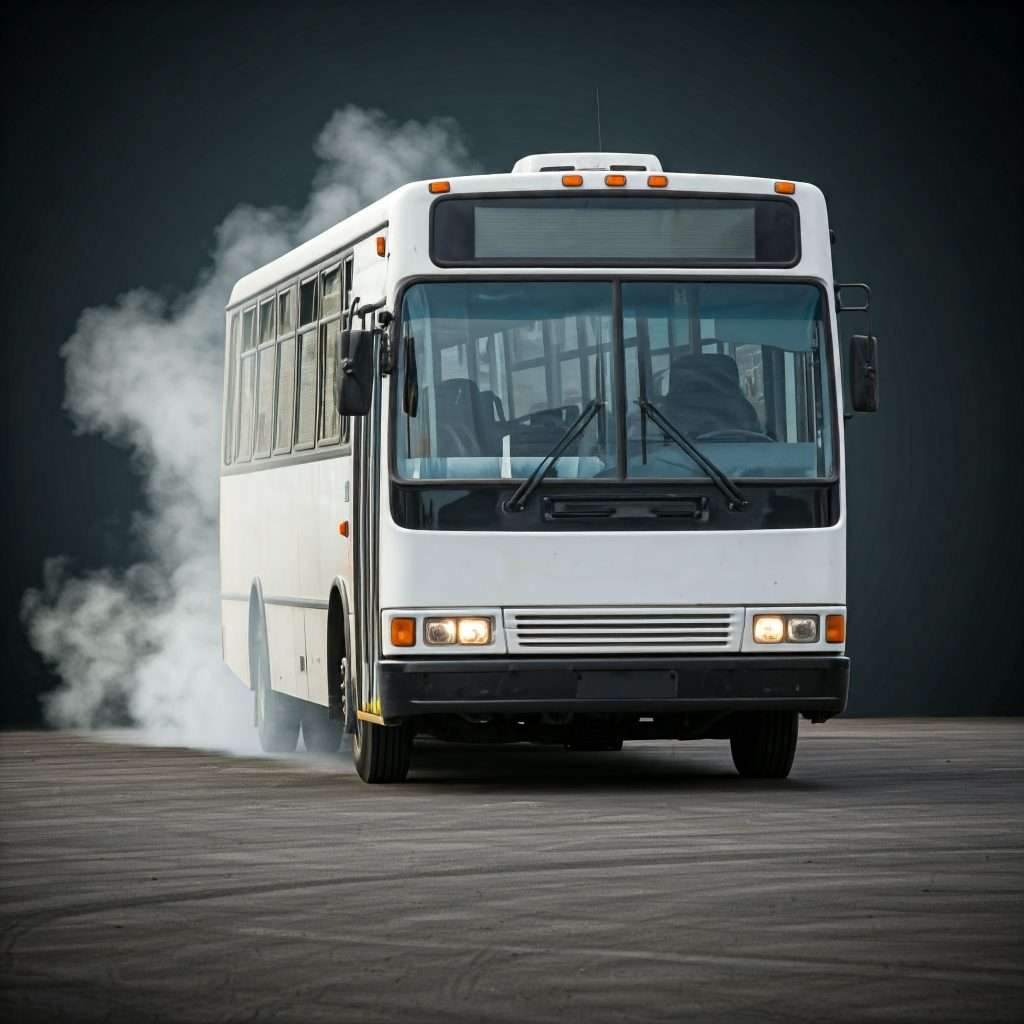
Hotels with shuttles tend to enjoy higher booking rates because guests view them as more convenient and service-oriented. Plus, there are revenue opportunities beyond the basic transportation. By partnering with local businesses and events, or offering premium shuttle services for a small fee, hotels can turn their shuttle service into an additional income stream.
But with these benefits come choices. Specifically: Do you buy a shuttle and shoulder the full financial burden, or do you lease and pay over time?
Option A: Buying a Hotel Shuttle
When you buy a shuttle, you own an asset that could potentially appreciate or be used for years to come. Plus, you have complete control over how it’s branded, designed, and used. No mileage caps, no worrying about upgrading to newer models when the season changes.
But with ownership comes responsibility. The upfront cost is significant, and after that, you’ll face depreciation, maintenance expenses, and the risk of having to replace the vehicle sooner than you’d hoped.
Take the example of a hotel in Miami that bought a fleet of shuttles. The upfront cost was substantial, but by the time the vehicles were only a few years old, the maintenance costs started adding up. With little flexibility for upgrades, they ended up spending far more than they would have by leasing.
Option B: Leasing a Hotel Shuttle
Leasing, on the other hand, can be a game-changer for many hotels. It’s affordable, with lower upfront investment and a predictable monthly payment. Many leasing contracts even include maintenance, which means no surprise repair costs.
The downside? You don’t own the shuttle. There are often mileage caps and restrictions on how much you can modify the vehicle, especially if you want it to match your hotel’s branding. And while the monthly payments might seem reasonable, the total cost over the long run can exceed what you’d pay if you owned the shuttle outright.
A hotel near a major convention center found leasing to be ideal. During peak seasons, they were able to upgrade to newer, larger models without the heavy financial burden of purchasing. But during the off-season, they simply returned the shuttle and saved money.
The Shocking Truth: It Depends on Your Hotel’s Strategy
Here’s the shocking truth: There’s no one-size-fits-all answer. It depends entirely on your hotel’s strategy.
- Short-stay, high-turnover hotels (near airports or convention centers) will likely benefit from leasing. They need flexibility for high-demand seasons and a constant refresh of vehicles.
- Luxury resorts with long-term shuttle needs might find that buying makes more sense, especially if they’re focused on brand consistency and have a higher shuttle usage rate.
- Seasonal hotels can leverage leasing to avoid the financial strain of having a vehicle sit idle for months on end.
Financial Breakdown (Buy vs. Lease)
| Cost Item | Buying | Leasing |
| Upfront Cost | High ($50K-$100K or more) | Low ($5K-$15K per year) |
| Maintenance | All on the hotel | Included in most contracts |
| Depreciation | Significant | None (return at end of lease) |
| Flexibility | Low (less room for upgrades) | High (easy to upgrade models) |
| Mileage Restrictions | None | Yes (varies by contract) |
In this example, a hotel that buys a shuttle will pay more upfront, but their monthly costs will be lower in the long term, provided they keep it for at least five years. Leasing, however, offers lower short-term costs, but the total cost might exceed buying if you lease for more than 3-4 years.
Beyond the Money: Guest Experience & Branding
At the end of the day, it’s not just about the dollars. A modern, well-branded shuttle can significantly enhance your hotel’s image and guest experience. If a shuttle breaks down or fails to meet guest expectations, it could result in negative reviews, which no hotel wants.
Leasing gives you access to newer models equipped with advanced technology, increased comfort, and eco-friendly features. Additionally, leasing makes it easier to adopt electric or hybrid shuttles, aligning with growing guest expectations for sustainability and green travel options.
Expert Recommendation
The general rule of thumb is to lease if you need flexibility and buy if you have long-term, stable demand. Consider your hotel’s occupancy rate, the guest profile, and how much you expect to rely on the shuttle. If your hotel has fluctuating needs or high seasonality, leasing will likely be the better financial option. If you expect heavy, year-round use, buying might be the more cost-effective choice in the long run.
Before you make your decision, take the time to assess your hotel’s shuttle needs. Calculate how much your shuttle will be used, consider your financial goals, and ask for quotes from leasing and buying providers. Nations Bus Sales can help guide you through your options, whether you’re looking to purchase or lease. With expert advice and competitive pricing, you’ll make the choice that’s best for both your bottom line and your guests.

Founder & Chief Financial Officer at Nations Bus Sales.
Strong background in finance, Negotiation, and strategic decision-making in the transportation industry. Successful track record of negotiating multi-million dollar contracts and maintaining profit and growth. Flexible and versatile – able to maintain a sense of humor under pressure.