
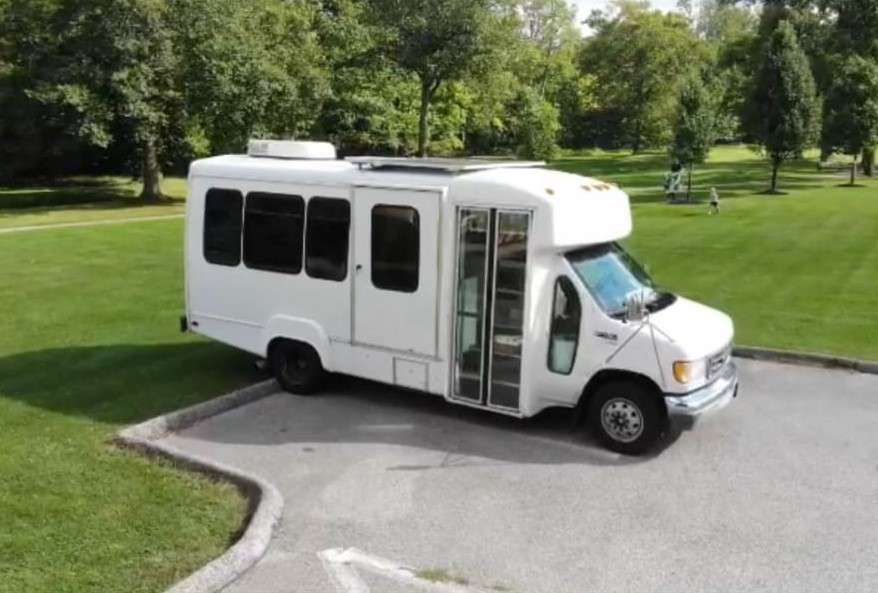
Over the last few years, the shuttle bus industry has been on the fore experiencing a revolution that has been occasioned by technological advancement in view dimensions. Electric propulsion to the automatic driving systems, such innovations can be said to be revolutionizing the configuration of urban mobility. In this particular article, the issue to be addressed contains the aspects of developments that are currently practicing shuttle buses and what the future holds for this particular category of the market.
From the study conducted by the IEA, 2021, it was established that electric cars are set to massively expand in the market and electric shuttle buses are set to be a key in urban transport. This has been due to the development of battery systems that increase the range and the time it takes to recharge the shuttle buses hence lowering costs and environment degradation. In recent years, urban authorities across the globe are concentrating on green credentials and emission reduction targets, and thereby the prospects of the electric shuttle buses are believed to rise in the coming years in order to transform the public transportation systems of the cities.
Electric Propulsion and Battery Technology
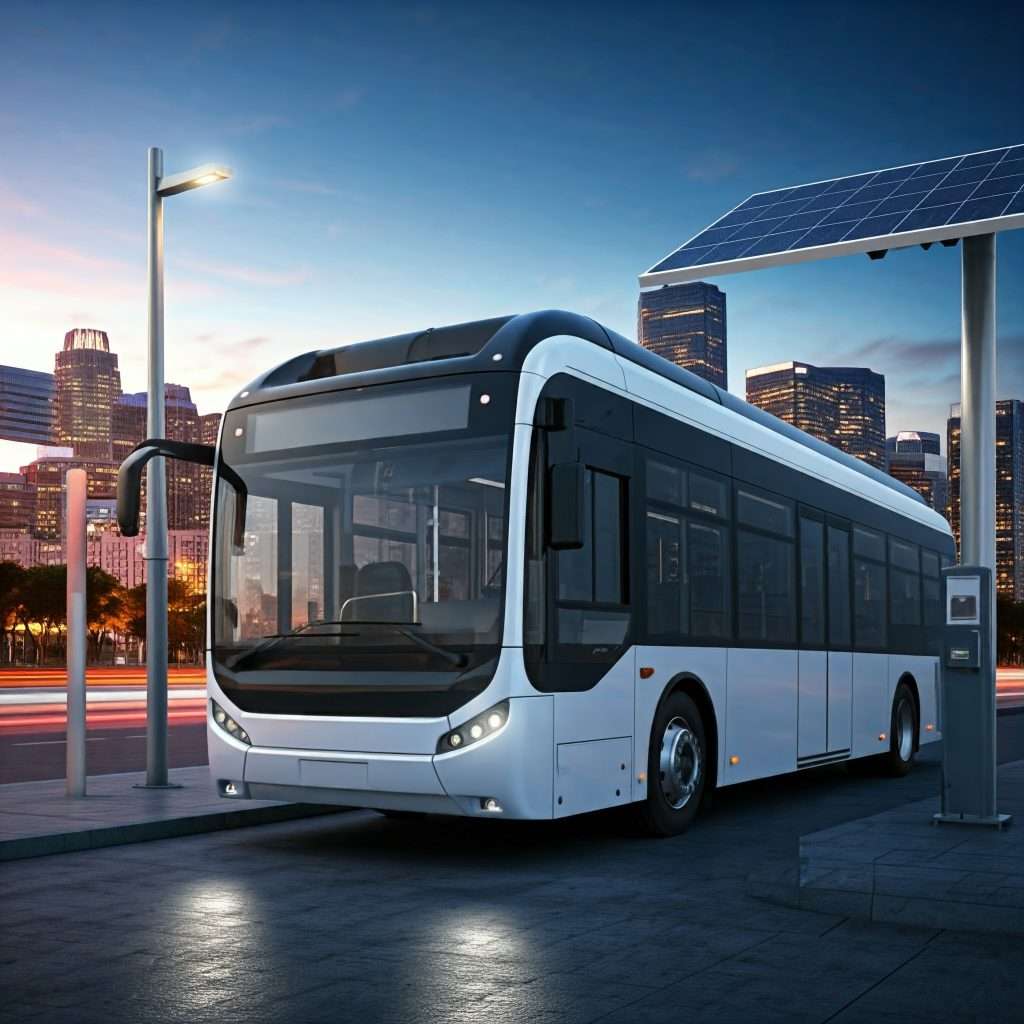
Another breakthrough, which can be made looking at the current development in the area of shuttle buses, is the transition to electrical power plants. The advanced generation of electric shuttle buses is powered through lithium-ion battery packs that are considered superior to the older lead-acid battery packs. The lithium-ion batteries have a higher energy density which means that they can pack more energy in a smaller package contributing more distance per charge in the concerned vehicle. This simply implies that the frequency with which electric shuttle buses, for the purpose of the given study defined as the distance that could be meaningfully covered in one journey, will need to be recharged is extended. Also, relative to their counterparts that are lead-acid, lithium-ion batteries are usually charged for a shorter period to help minimize on the time wasted.
In addition to the above advantages, recent advancements in battery technology are also taking the value of these advantages to another level. These developments are currently being spear headed by companies such as Eberhard, 2006 and CATL That is why such developments as solid-state batteries are expected to bring even higher energy density and safety. It is, therefore, different from the normal lithium-ion batteries (Minos, 2023) as it utilizes a solid electrolyte rather than a liquid one, thus, boosting energy density and cycle life. It cannot be underestimated how this technology could evenly decrease the charging time as well as increase the batteries’ durability.
Furthermore, the technology employed for rapid charging is constantly evolving. For instance, ultra-fast chargers are being engineered to charge batteries to 80 percent within less than 15 minutes and hence makes electric shuttle buses more useful in high use appearance. Also, battery systems, the systems that are responsible for the control of batteries namely the battery management systems (www.synopsys.com, n.d.), have evolved and can now regulate heating and improve the lifespan of the battery through better control of the charging cycles.
In addition to LIBs, efforts to develop other chemistries like lithium-sulfur (Manthiram, Chung and Zu, 2015), lithium-air (www.sciencedirect.com, n.d.) have also been observed. Other emerging chemistries like Lithium-sulfur batteries for example have advantages that include higher energy density and reduced cost, but they still have disadvantages such as; reduced cycle life and stability issues at the present moment. It is worth noting that these technologies could be further beneficial for electric shuttle buses once they have developed more, especially in terms of battery density, charging time and any other performances.
To learn more details of these advancements, one can start with trusted online sources including Enel X Way (www.enelxway.com, n.d.) and International Energy Agency (IEA, 2024).
Autonomous Driving Systems
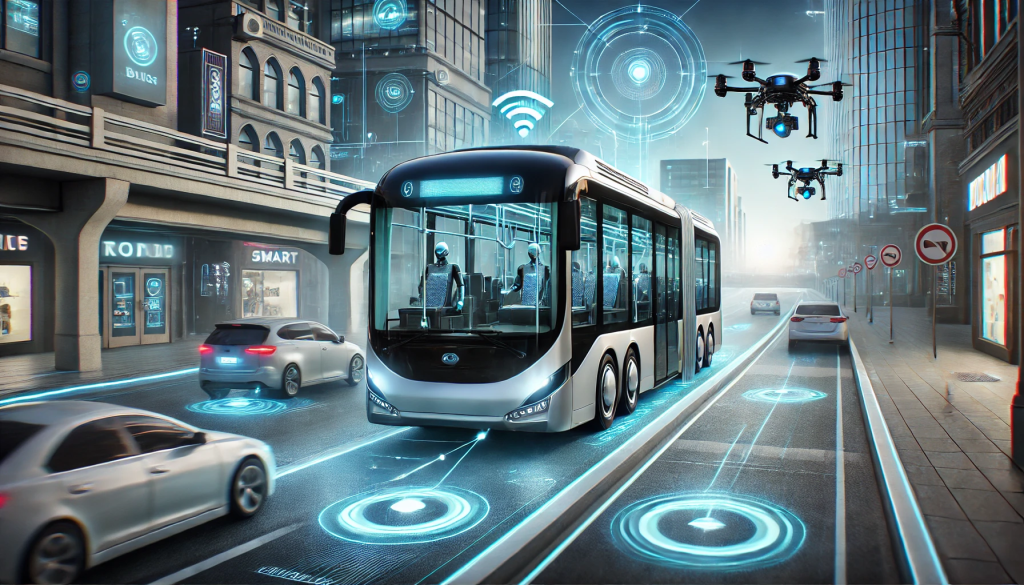
In relation to the shuttle bus sector, there is a revolutionary transformation influenced by the new self-driving technologies. Self-driving cars (University of Michigan, 2023) are modern day phenomena in hot pursuit of changing the face of transport in cities. These vehicles employ dozens of technologies and devices like sensors, cameras, radar, and AI algorithms to move and react to the environment appropriately.
Measuring devices for some environmental characteristics are found to be highly useful. One such instance is lidar sensors that make use of laser light to build up a very accurate three-dimensional map of the car’s environment, thus affording accurate distance measurement and object recognition. Cameras facilitate the ability of the system in recognizing certain signs and lanes or even pedestrians and other vehicular units in the vicinity. Automated vision systems which use high-definition cameras, in some instances accompanied by image processing algorithms, improve the vehicle’s perception of scenes.
Radar technology supplements these inputs by being effective in bringing out the results in different types of weather. Radar sensors operate at radio frequencies to measure not only the speed but also the distance of objects, which would prove very useful in the tracking of approaching motor vehicles and moving pedestrians. This data is then combined with input data from the sensors and camera to give an overall view and input to the vehicle environment.
Autonomous driving systems are based on the AI algorithms where data from sensors and cameras is analyzed and decisions regarding the driving are made. Algorithms and artificial neural network detect and estimate current and potentially changing road situations and traffic patterns. These algorithms help the vehicle to help with functions like lane keeping, adaptive cruise control and even automatic emergency braking.
Some of the prominent companies in the race of the development of the self-driving car are Waymo (Fortune, n.d.) and Volvo (www.volvobuses.com, n.d.). In particular, the Alphabet Inc. ’s self-driving sub-brand Waymo is actively developing the sophisticated L4-level systems and testing the vehicles in various geographically diverse city conditions. volvo a car manufacturing company which is known for safety features is also adopting self-driven technologies to improve safety of cars as well as their functionality.
For further insights into the advancements in autonomous driving technology and the role of sensors, cameras, radar, and AI algorithms, you can explore research articles and studies from sources such as IEEE Spectrum and MIT Technology Review (MIT Technology Review, 2019).
Engine Technology Advancements
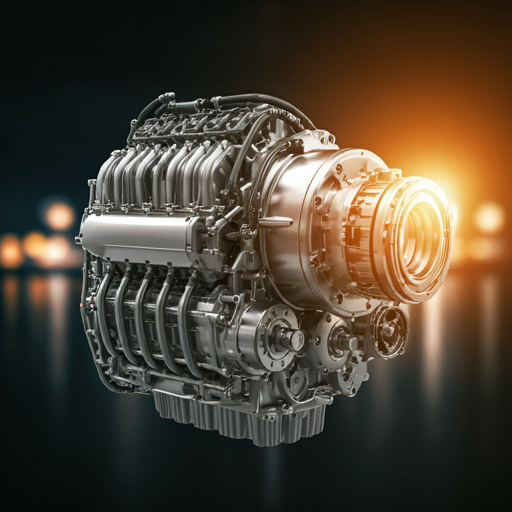
New technologies in the shuttle buses’ engines are contributing to greater capabilities and efficiency of electric and traditional fossil fuel shuttle buses. Today, there are more efficient, and often lighter electric motors and mechanically innovative Bosch Engine Technology (www.bosch-mobility.com, n.d.). Still, the further refinements of the combustion engines lay in the effort to minimize the pollutions and optimize the fuel economy by means of boosting, direct injection, and hybridization.
Progress made in Fossil Fuel-Powered Shuttle Buses
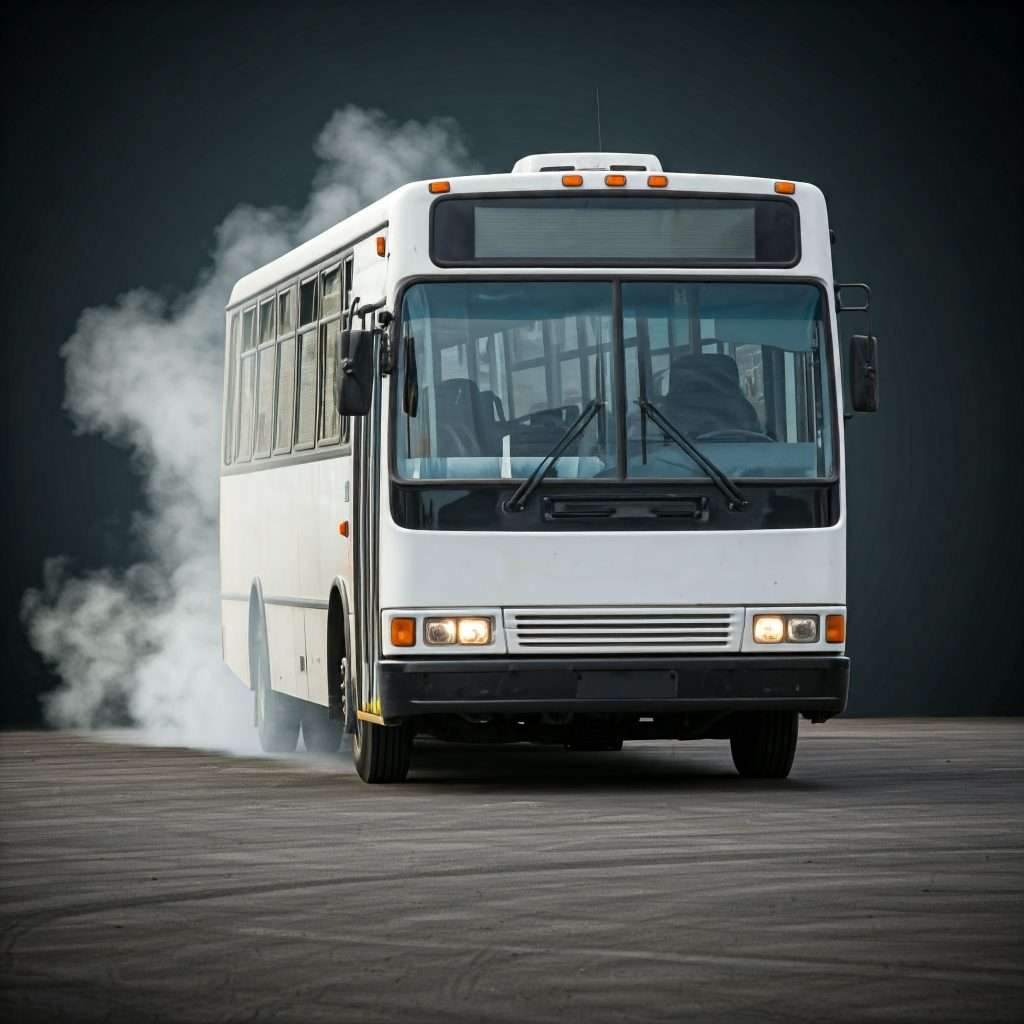
Thus, while the movement towards electrification of shuttle buses is growing, innovations in internal combustion engine shuttle buses with the use of more efficient and environmentally friendlier fossil fuels are still being made. Measures like the implementation of ultra low sulfur diesel and lean-burn systems like advanced particulate filters and Selective Catalytic Reduction (SCR) systems are drastically reducing the amounts of nitrogen oxides (NOx). Cummins (Cummins Inc., 2019) and Mercedes-Benz (Group, n.d.) are examples of manufacturers actively working on the creation of better and environmentally sound diesel engines.
Future Prospects
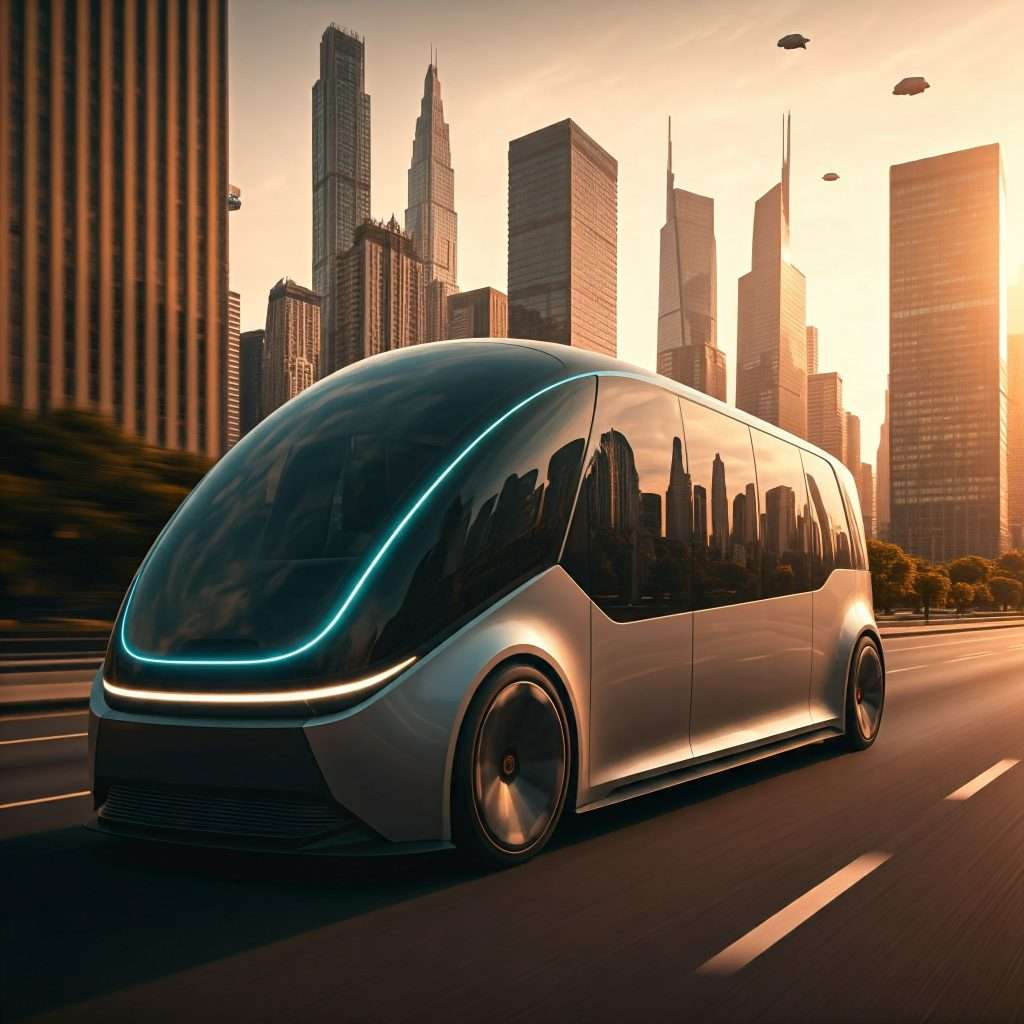
Moving to the future of shuttle buses, it is expected that the shuttle buses will integrate these technologies even more; with what we expect to see with the improvement of battery technology in electric shuttle buses, long distances for a single charge and faster charging times. Self-driving systems (timothy.wagner.ctr@dot.gov, 2017) will further develop, thus increasing the safety level and providing innovative mobility concepts in cities. Also new technologies of the engines will remain improving and oriented toward the decrease of emissions and increase of efficiency with the help of electricity or other types of fuels.
Nations Bus is a shuttle bus dealership involving high qualified manufacturers of shuttle buses and holds the largest stock of new and used shuttle buses for sale. It helps in the development of such technologies used in the shuttle bus industry. The dealership is participating in the development of electrification of propulsion systems and other features like self-driving in the buses that it has. This places Nations Bus Inc in a central role of driving the improvement of sustainable and efficient public transport systems and pushing the development of shuttle buses, which meet the highest standards of mobility for today’s global cities.
Reference –
IEA (2021). Global EV Outlook 2021 – Analysis. [online] IEA. Available at: https://www.iea.org/reports/global-ev-outlook-2021.
Eberhard, M. (2006). A Bit About Batteries. [online] www.tesla.com. Available at: https://www.tesla.com/pt_PT/blog/bit-about-batteries.
CATL Works with BAIC Group to Develop Skateboard Chassis and Battery Swapping Business. [online] Catl.com. Available at: https://www.catl.com/en/news/6268.html [Accessed 8 Aug. 2024].
Minos, S. (2023). How Lithium-ion Batteries Work. [online] Energy.gov. Available at: https://www.energy.gov/energysaver/articles/how-lithium-ion-batteries-work.
www.synopsys.com. (n.d.). What is a Battery Management System (BMS)? – How it Works | Synopsys. [online] Available at: https://www.synopsys.com/glossary/what-is-a-battery-management-system.html.
Manthiram, A., Chung, S.-H. and Zu, C. (2015). Lithium-Sulfur Batteries: Progress and Prospects. Advanced Materials, 27(12), pp.1980–2006. doi:https://doi.org/10.1002/adma.201405115.
www.sciencedirect.com. (n.d.). Lithium-Air Battery – an overview | ScienceDirect Topics. [online] Available at: https://www.sciencedirect.com/topics/engineering/lithium-air-battery.
www.enelxway.com. (n.d.). The future of EV battery technology | Enel X Way. [online] Available at: https://www.enelxway.com/us/en/resources/blog/the-future-of-electric-vehicle-battery-technology-everything-you-need-to-know.
IEA (2024). Trends in electric vehicle batteries – Global EV Outlook 2024 – Analysis. [online] IEA. Available at: https://www.iea.org/reports/global-ev-outlook-2024/trends-in-electric-vehicle-batteries.
University of Michigan (2023). Autonomous Vehicles Factsheet. [online] Center for Sustainable Systems. Available at: https://css.umich.edu/publications/factsheets/mobility/autonomous-vehicles-factsheet.
Fortune. (n.d.). How Waymo beat Apple and Uber. [online] Available at: https://fortune.com/2024/05/29/waymo-self-driving-robo-taxi-uber-tesla-alphabet/.
www.volvobuses.com. (n.d.). Self-driving buses from Volvo. [online] Available at: https://www.volvobuses.com/en/why-volvo/automation-buses.html.
MIT Technology Review. (2019). Self-driving cars take the wheel. [online] Available at: https://www.technologyreview.com/2019/02/15/137381/self-driving-cars-take-the-wheel/.
www.bosch-mobility.com. (n.d.). Engine management systems. [online] Available at: https://www.bosch-mobility.com/en/solutions/control-units/engine-management-system-2w/.
Cummins Inc. (2019). How a Diesel Engine Works | Cummins Inc. [online] Available at: https://www.cummins.com/how-a-diesel-engine-works.
Group, M.-B. (n.d.). OM 654: The future of the diesel engine at Mercedes-Benz. [online] Mercedes-Benz Group. Available at: https://group.mercedes-benz.com/innovation/diesel/new-diesel-engine-om-654.html.
timothy.wagner.ctr@dot.gov (2017). NHTSA. [online] NHTSA. Available at: https://www.nhtsa.gov/vehicle-manufacturers/automated-driving-systems.

Founder & Chief Financial Officer at Nations Bus Sales.
Strong background in finance, Negotiation, and strategic decision-making in the transportation industry. Successful track record of negotiating multi-million dollar contracts and maintaining profit and growth. Flexible and versatile – able to maintain a sense of humor under pressure.